One of the most common questions beginners ask is:
“How long does it take to cycle a reef tank?”
The short answer is:
Usually 4 to 8 weeks.
But the real answer depends on how you start your tank, what bacteria source you use, and how patient you are during the process.
Understanding the nitrogen cycle properly will save you from early livestock losses and long-term instability.
Cycling is the biological process where beneficial bacteria establish and convert toxic waste:
Ammonia → Nitrite → Nitrate.
In the first week:
If using dry rock and bottled bacteria, this phase may be faster.
If using fully cured live rock, the spike may be smaller.
Important:
Do not add fish yet.
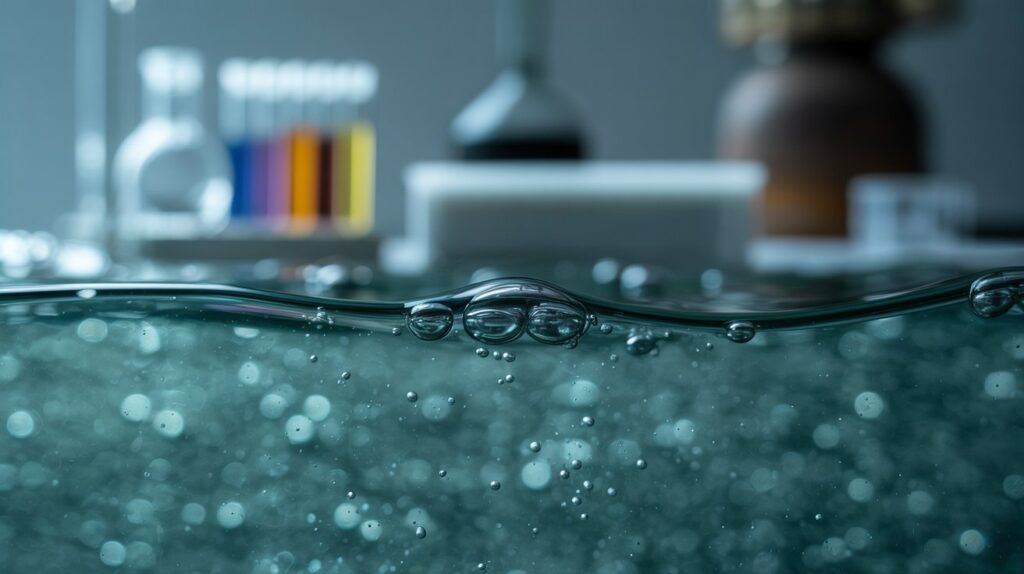
As ammonia drops, nitrite rises.
This means your first wave of bacteria is working.
Now a second group of bacteria begins forming to convert nitrite into nitrate.
Many beginners panic here because nitrite can stay high for several days.
This is normal.
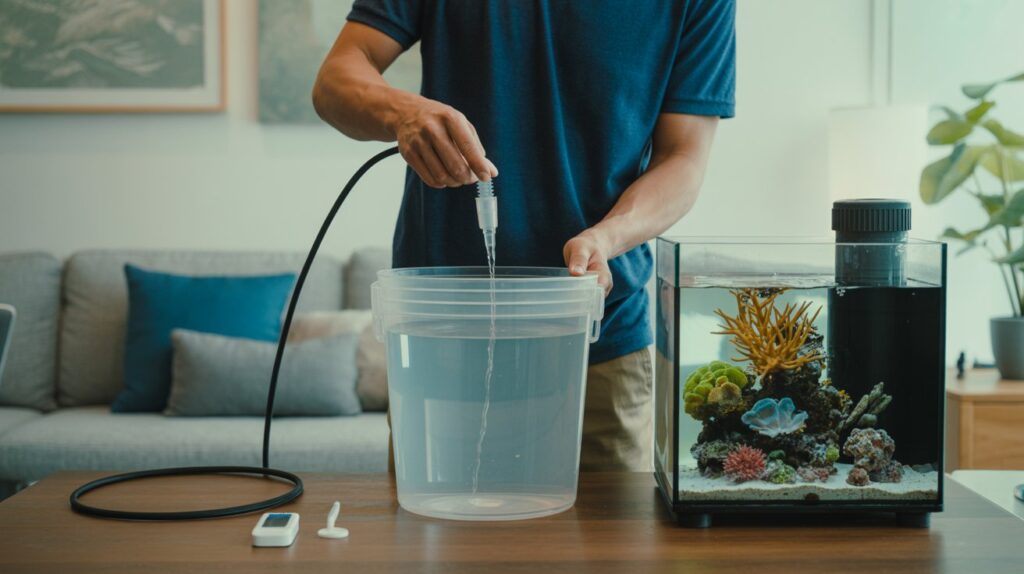
Once nitrite drops close to zero:
At this stage:
Even if ammonia and nitrite hit zero early, stability takes time.
The bacteria colony is still growing.
This is where patience matters.
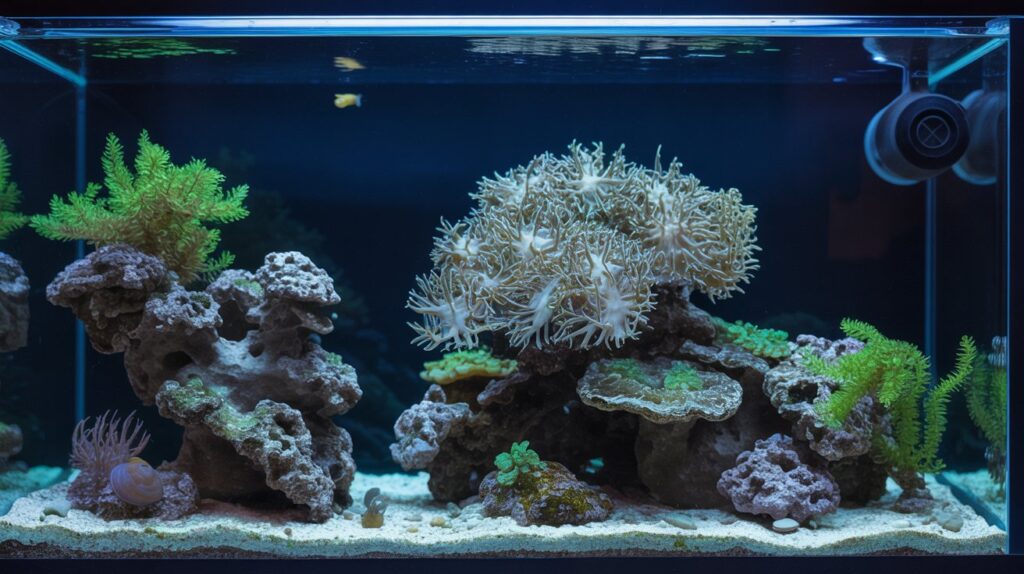
You may introduce:
But avoid heavy stocking.
Yes, but only to a point.
Methods that help:
What does NOT help:
Cycling is biological. It cannot be rushed safely.
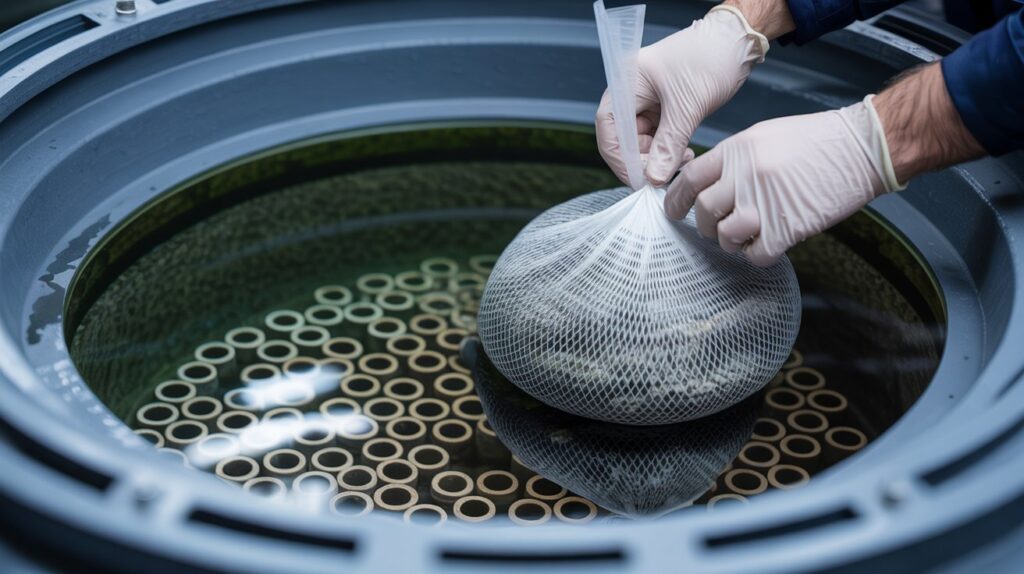
Your tank is considered cycled when:
Stability matters more than speed.
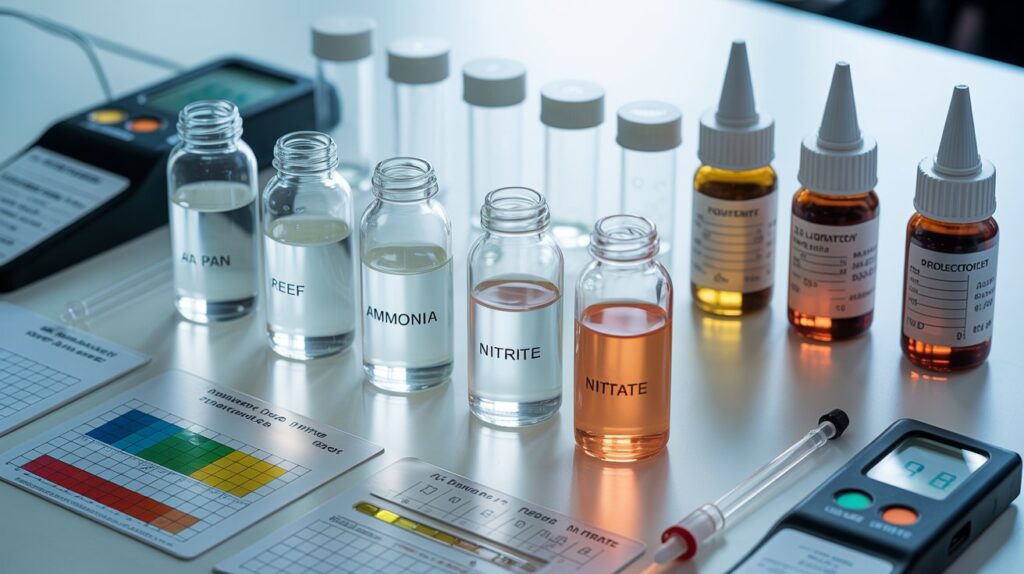
Most reef tank failures begin here.
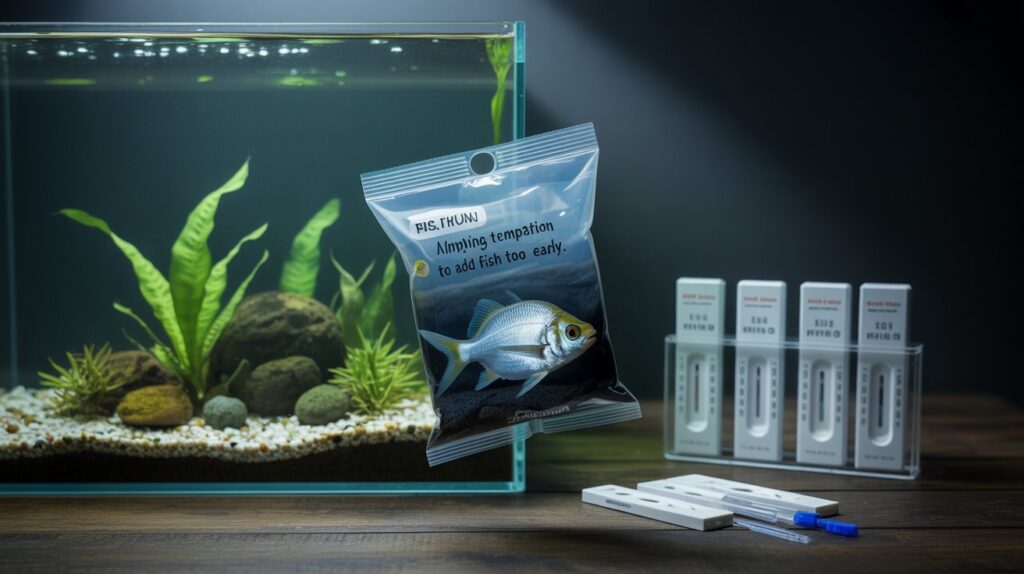
Cycling a reef tank is not about waiting for a number to hit zero.
It is about building a stable biological foundation.
Rushing this stage often leads to algae outbreaks, livestock stress, and long-term instability.
If you give your tank 4 to 8 weeks to mature properly, everything that comes after becomes easier.